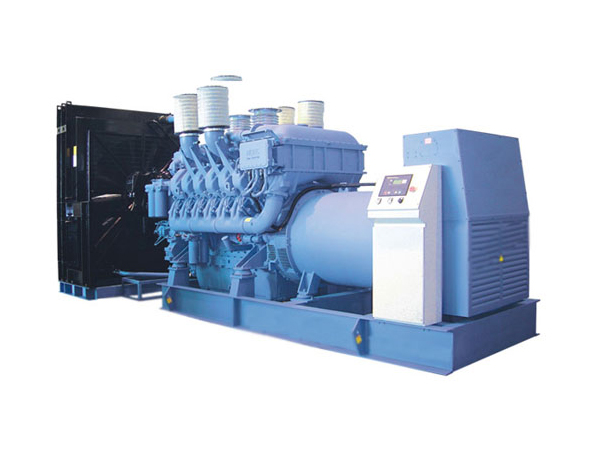
Daily maintenance of diesel generator sets is crucial for ensuring stable operation and extending service life. Below are core maintenance points covering all systems and operational details:
I. Fuel System Maintenance
1. Fuel Quality Inspection
1. Ensure use of clean, grade-appropriate diesel fuel (e.g., -10#, 0# diesel based on ambient temperature) to prevent impurities from clogging injectors or fuel pumps.
2. Regularly drain sediment (water and impurities) from the bottom of the fuel tank. Recommended at least weekly; completely drain before extended shutdowns.
2. Fuel Line Maintenance
1. Inspect fuel line connections for looseness or leaks. Check hoses for aging or cracking. Replace damaged components promptly.
2. Replace fuel filters (including coarse and fine filters). Replace after the first 50 hours of operation for new engines. Subsequently, replace every 200–300 hours or per the manual's specified intervals.
II. Lubrication System Maintenance
1. Engine Oil Inspection and Replacement
1. Routine Inspection: Before starting, check oil level using dipstick (inspect after 10 minutes of shutdown). Ensure level is near center mark. Observe oil color—replace immediately if blackened, emulsified, or contains metal particles.
2. Replacement Interval: Change oil after 50–100 hours for new units. Subsequently, replace every 200–300 hours or every six months (whichever comes first). Refer to the unit manual for specifics.
3. Grade Selection: Use manufacturer-recommended oil grades (e.g., CD-grade, CF-grade diesel engine oil). Consider ambient temperature (e.g., use low-viscosity oil in winter).
2. Oil Filter Replacement
1. Replace the oil filter (including the oil filter element and bypass filter element) simultaneously with each oil change to ensure a clean lubrication system.
III. Cooling System Maintenance
1. Coolant Inspection
1. Before starting the engine, check the expansion tank fluid level. Ensure coolant is between the “MIN” and “MAX” marks. Add antifreeze of the same brand if low (avoid mixing coolants with different compositions).
2. Regularly check coolant concentration (recommended at least once yearly) to prevent freezing or reduced boiling point. Conduct thorough inspections before winter.
2. Radiator Component Maintenance
1. Clean dust and debris from the radiator (water tank) surface to prevent clogging and impaired heat dissipation. Check fan belt tension—pressing the belt's center with a finger should yield 10–15mm of elastic travel. Adjust if too loose or tight.
2. Replace coolant at least annually (or per manufacturer's specifications). Long-term use causes coolant degradation, which corrodes the cooling system.
IV. Electrical System Maintenance
1. Generator and Control Box Inspection
1. Check generator terminals for loose connections or oxidation. Ensure reliable grounding (ground resistance ≤4Ω). Clean dust from inside the control box. Inspect circuit breakers and relay contacts for proper function.
2. Test the Automatic Voltage Regulator (AVR) function to ensure stable output voltage (fluctuation ≤±5%).
2. Battery Maintenance
1. Check battery voltage (normal ≥12V). Charge promptly if starting is difficult. Clean oxidation from terminals and apply petroleum jelly to prevent corrosion.
2. During extended shutdowns, disconnect the battery negative terminal or use a charger in float mode to prevent discharge (recommended charging every two weeks).
V. Mechanical Components and Operational Status Inspection
1. Bolt and Pipe Tightness
1. Periodically inspect fastening bolts on the diesel engine, generator, and base for looseness, paying special attention to high-vibration areas (e.g., exhaust pipe, fan bracket). Check intake and exhaust pipe seals to prevent air leaks that could affect power output.
2. Operational Parameter Monitoring
1. After each start-up, idle for 3–5 minutes and observe dashboard parameters:
1. Oil Pressure: Normal range 0.2–0.4MPa (hot engine state). Low readings may indicate insufficient oil or pump failure.
2. Coolant Temperature: Normal ≤95°C. Excessive temperatures require investigation of cooling system faults.
3. Generator Frequency/Voltage: Frequency should stabilize at 50±0.5Hz, voltage at 220V/380V±5%.
3. Noise and Vibration Inspection
1. If abnormal noise (e.g., knocking sounds, belt squealing) or increased vibration occurs during operation, immediately shut down the unit for inspection. Address issues such as component wear, loosening, or misalignment.
VI. Regular Test Runs and Documentation
1. No-Load Test Runs
1. Start the unit at least once weekly for a 10–15 minute no-load operation (if long-term no-load operation occurs, perform a 30-minute loaded run monthly at ≥50% rated power) to prevent fuel system gumming and battery discharge.
2. Maintenance Records
1. Maintain a maintenance logbook documenting each maintenance session's date, activities (e.g., oil changes, filter model replacements), and fault resolutions for traceability and planning purposes.
VII. Special Scenario Maintenance Guidelines
1. Long-Term Shutdown Maintenance
1. Before shutdown, run the engine idle for 5 minutes to cool down, then operate under load until fuel is depleted to prevent fuel degradation in lines. Drain coolant (if non-freeze type) to avoid engine block freezing.
2. Disconnect the battery, cover the unit for dust protection, and start it every three months to recharge the battery.
2. Operation in Harsh Environments
1. In dusty environments, increase air filter cleaning frequency (blow out or replace every 50 hours). In humid environments, inspect electrical components for moisture ingress; test winding insulation resistance with an insulation tester if necessary.
Precautions
Always shut down the unit and disconnect power before maintenance to prevent electric shock or mechanical injury.
Non-professionals must not disassemble precision components such as injectors or high-pressure fuel lines; this requires qualified technicians.
Strictly adhere to the maintenance intervals and parameter requirements specified in the manufacturer's manual; variations may exist between different brands.